

Written by
When people tell us they want to stay in their own home as they get older, we understand why. When you build a life, you want to keep it. In fact, AARP’s national Home and Community Preferences Survey found that 75% of adults age 50 and older want to remain in their current home as they age.
This desire is deeply personal. Home is more than just a roof; it represents your routines, your memories, your neighbors, your favorite chair and the feeling of being in control of your own day. Most people want to stay in their own homes, maintain independence as long as possible, and lean on family and friends for support when needed.
That is the heart of aging at home. It’s a meaningful goal, but it requires intentional planning. Many older adults and their families worry about safety, getting around and managing daily activities.
The Complexity of Care Coordination
Aging at home has significant benefits, but it is also a coordination challenge. Needs are often spread across categories: a safer bathroom, reliable transportation to appointments, help with meals, medication management, or a backup when a family caregiver is out of town. Personal care, household chores, and money management can all become hurdles to aging in place.
With more than 50 years of experience as the experts in aging and maintaining independence, CICOA has found that relocation is rarely caused by a single major event. Instead, it is typically a series of smaller hurdles stacking up over time, until one more change tips the balance and everything feels urgent.
A fall leads to concerns about home safety. Safety concerns lead to questions about mobility. Mobility challenges create transportation barriers. Often, a family caregiver is trying to coordinate all of these moving parts while also working, parenting and sleeping in short bursts.
Sometimes, the caregiver is trying to manage these responsibilities from a distance—making calls between meetings and trying to piece together a plan without being physically present to see how needs are evolving. When these challenges pile up, families often ask a difficult question: “Is assisted living our only safe option?” For many, that question is met with a sense of loss because it isn’t the outcome they envisioned.
Flourish at Home: A Clear Path for Support
We recognized a consistent gap: many families need professional coordination and a clear plan, but they may not qualify for public programs. In other cases, the situation is changing faster than a family can keep up, and they need support sooner, with fewer barriers.
This is the reason we created Flourish at Home.
Flourish at Home is built around expert care planning and coordination. We identify specific needs and goals, then connect the right services and supports so the plan functions effectively in daily life, not just on paper.
Depending on your situation and personal goals, we can coordinate supports such as:
- Adult Day Services: Engaging social and recreational activities, on-site support, and flexible scheduling.
- Attendant Care: In-home assistance with personal hygiene, dressing, light housekeeping, community escort, and medication reminders.
- Home Health Aide: Hands-on personal care, basic health monitoring, and household assistance under skilled oversight.
- Homemaker Services: Routine household tasks, meal preparation, errands, and ensuring a safe home environment.
- Skilled Nursing: Medical expertise including wound care, medication administration, health assessments, and rehabilitation support.
- Home-Delivered Meals: Convenient and nutritious prepared meals delivered to your door, accommodating dietary restrictions.
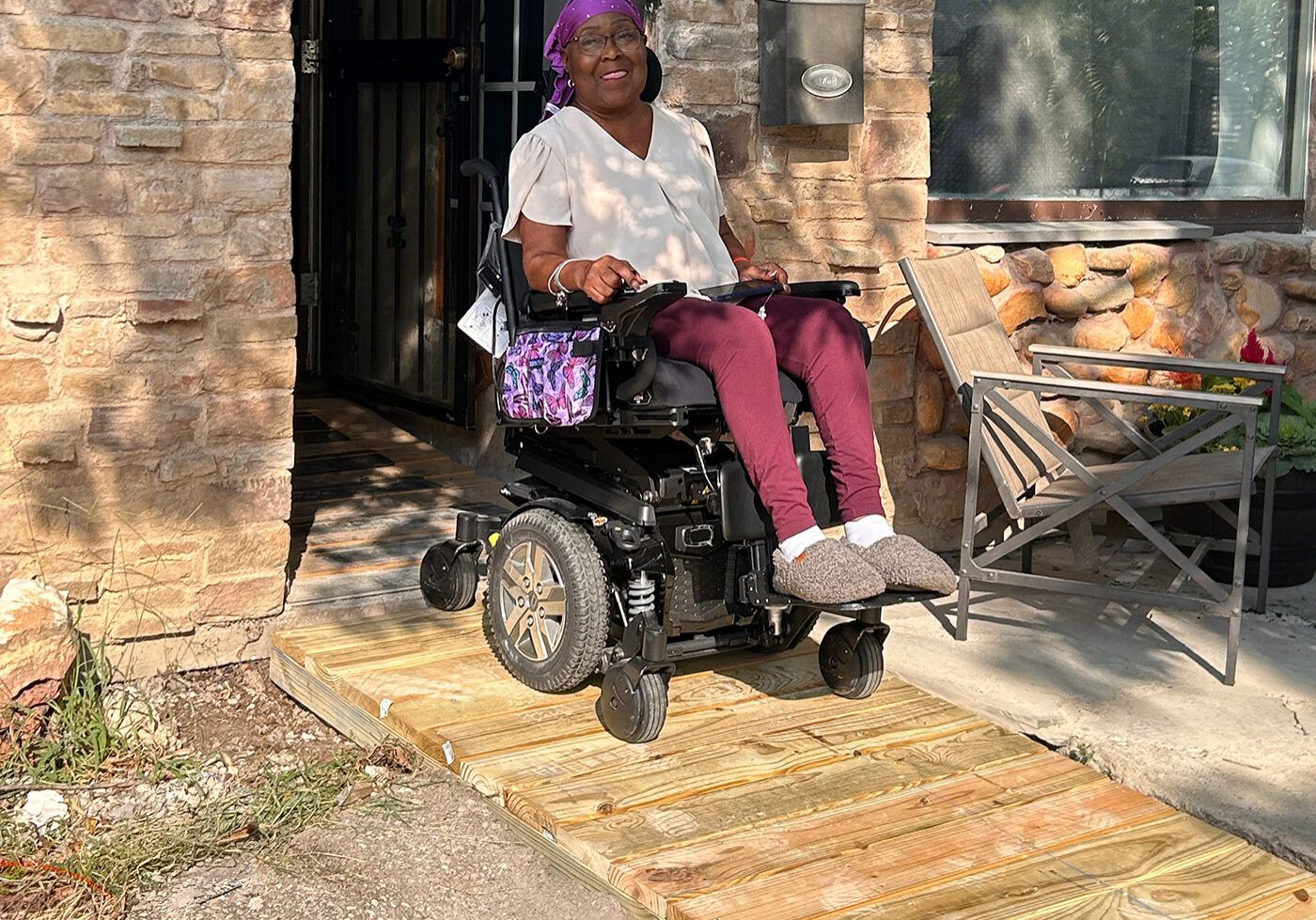
- Home Accessibility Modifications: Safety enhancements like grab bars and structural improvements for greater independence.
- Personal Emergency Response Systems: Immediate alert devices and 24/7 monitoring for added security and peace of mind.
- Caregiver Respite: Short-term relief for family caregivers, providing professional support for their loved ones.
- Specialized Medical Equipment: Coordination of adaptive devices to improve mobility and comfort.
Our goal is not simply to provide a list of services; it’s to reduce the mental load and logistical burden on families, making aging at home a sustainable reality.
Choosing a Partner for Your Aging Journey
Independence is more than a value at CICOA. It’s the outcome we work toward every day.
We have spent five decades walking alongside Central Indiana families. We’ve seen how quickly small issues become big ones when there’s no coordination. We’ve also seen how much longer people can stay safely at home when the right supports are put in place early and adjusted as needs change.
If you feel that managing a loved one’s care shouldn’t be this complicated, you are right—and you don’t have to do it alone.

More News & Stories
6 Home Modifications That Can Support Independence Longer

What the Age Wave Means for Indiana Families