

Written by
Watching a loved one lose their independence is one of the most profound challenges a caregiver can face. Whether it is due to the progression of aging, a chronic illness or a lifelong disability, this transition is about more than just a change in physical ability. It is about the loss of the “small things” that define our sense of self—the ability to drive, manage a budget, cook a favorite meal or maintain a home.
For the person receiving care, this shift can feel like a loss of identity. But with the right approach, caregivers can protect a loved one’s dignity, self-esteem and sense of purpose, even when independence looks different than it used to.
Acknowledge the Grief of Losing Control
Loss of independence is a form of grief. Before jumping into solutions or “fixing” the situation, it is vital to validate your loved one’s feelings. Frustration, sadness and even anger are normal responses to feeling like one’s world is shrinking.
Acknowledge their reality without judgment. A sincere, “I know this is incredibly hard, and I’m here with you,” can go a long way in helping them feel seen and respected rather than managed.
Offer Support Without Taking Over
It is a natural instinct to step in and do everything for a loved one to keep them safe or save time. However, retaining even small “pockets” of autonomy provides a significant boost to self-worth.
Instead of saying, “Let me do that for you,” try phrases that invite collaboration:
- “Would you like to do this together?”
- “Which part of this would you like to handle today?”
- “How can I best support you with this task?”
Allow them to do what they can, even if it takes longer or the end result isn’t “perfect.” The goal is engagement, not productivity.
Adapt the Environment, Not the Person
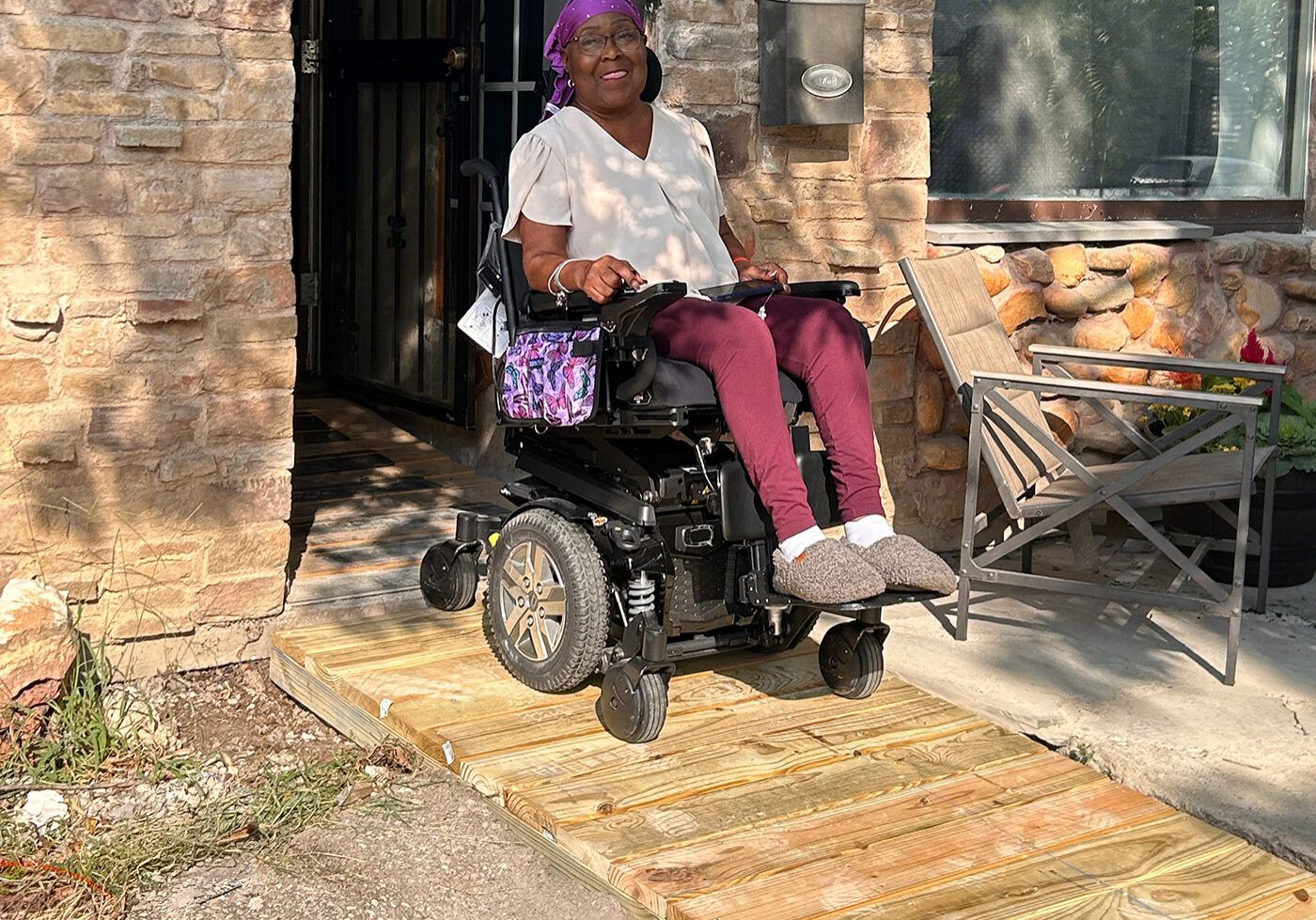
Rather than focusing on what your loved one can’t do, shift the focus to how they can keep doing things with the right supports. This is the heart of Home and Community-Based Services—adapting the world to the individual.
- Assistive Technology: Tools like grab bars, reachers or adaptive clothing can restore the ability to handle daily personal care.
- Simplified Tasks: Break complex chores into smaller steps. For example, if someone can no longer cook a full meal, perhaps they can still help with “prep work” like washing vegetables or stirring.
- Cognitive Supports: For those with memory loss or intellectual disabilities, visual schedules or simplified remote controls can reduce frustration.
Talk About Finances with Respect
Losing control over finances can be especially sensitive. Approach money conversations gently and with reassurance.
Start by reviewing bills together or offering to automate certain payments. If you eventually need to take over financial responsibilities, involve your loved one as much as possible so they feel informed and included in the decision-making.
Create Predictable Routines
When the world feels out of control, predictability provides a sense of security. Consistent routines help reduce anxiety and increase confidence for both seniors and individuals with disabilities. Try to stick to regular times for meals, medications and rest.
Within those routines, always look for opportunities for choice. Letting a loved one choose their outfit, their snack or the music playing in the house reminds them that they still have a say in their own life.
Focus on Purposeful Activity
Everyone needs to feel useful. Even if a loved one can no longer work or handle major household responsibilities, they still need ways to contribute.
- Low-Impact Chores: Folding towels, watering plants or sorting mail.
- Creative Outlets: Puzzles, memory games or crafts that match their current skill level.
- Social Connection: Simply “helping” with a task through conversation or storytelling while you work together.
Be Patient with Resistance
It is common for loved ones to resist help or deny they need it. This rarely stems from stubbornness; it is usually fear, pride or the grief mentioned above.
Stay calm and gentle. Avoid ultimatums, which can trigger a “fight or flight” response. If conversations about safety or care become too heated, consider bringing in a neutral third party—such as a CICOA Caregiver Case Manager or a trusted medical professional—to help move the conversation forward without damaging your relationship.
You Don’t Have to Walk This Path Alone
Caregiving isn’t about doing everything for someone; it’s about walking side-by-side with them as they find new ways to live a meaningful life. At CICOA, we specialize in helping families navigate these difficult transitions with grace and expert guidance.
We are here to help you protect their independence. Whether you need help finding adaptive equipment, exploring home-based services, or simply need a professional to help you navigate the next steps, CICOA is your partner in care.
Contact us today to speak with a specialist who understands the journey you are on.

Kristen Gooch
Caregiver Case Manager

More News & Stories
6 Home Modifications That Can Support Independence Longer

What the Age Wave Means for Indiana Families