

Written by
Your needs may change. Your address doesn’t have to.
The right home modifications can help older adults and people with disabilities manage daily activities more safely and independently. Whether someone needs more support while bathing or an accessible entrance for a wheelchair or walker, adapting their home can help them continue living where they feel comfortable.
If you’re looking to make your home or the home of someone you care for more accessible, here are six modifications to consider.
1. Grab bars
Properly installed grab bars offer a secure place to hold while getting into the shower, standing up from the toilet or moving through the bathroom. Placement depends on the person’s needs and routines. The Centers for Disease Control and Prevention recommends grab bars as part of making a home safer and reducing fall risk.
2. Indoor and outdoor railings
Sturdy railings provide support for people who can use steps but need help with balance and stability. Inside the home, they can make stairs easier to manage. Outdoors, railings along porch steps or an entryway can help someone enter and leave with greater confidence.
3. Tub-to-shower conversions
Replacing a bathtub with a shower can make bathing more accessible by reducing the need to step over a high tub wall. The design should reflect how the person bathes and the support they need. A conversion can help someone maintain more independence with personal care and make assistance easier when needed.
4. Higher toilets
A higher toilet, often called a comfort-height toilet, can make sitting down and standing up easier for someone with limited mobility. The appropriate height depends on the individual, including whether they transfer from a wheelchair. Paired with properly positioned grab bars when needed, this change can support safer bathroom use.
5. Wider doorways
Widening a doorway can provide the clearance someone needs to move through their home with a wheelchair or walker. Making a bathroom or bedroom easier to enter can help someone continue using essential spaces and manage more of their daily routine independently.
6. Indoor and outdoor ramps
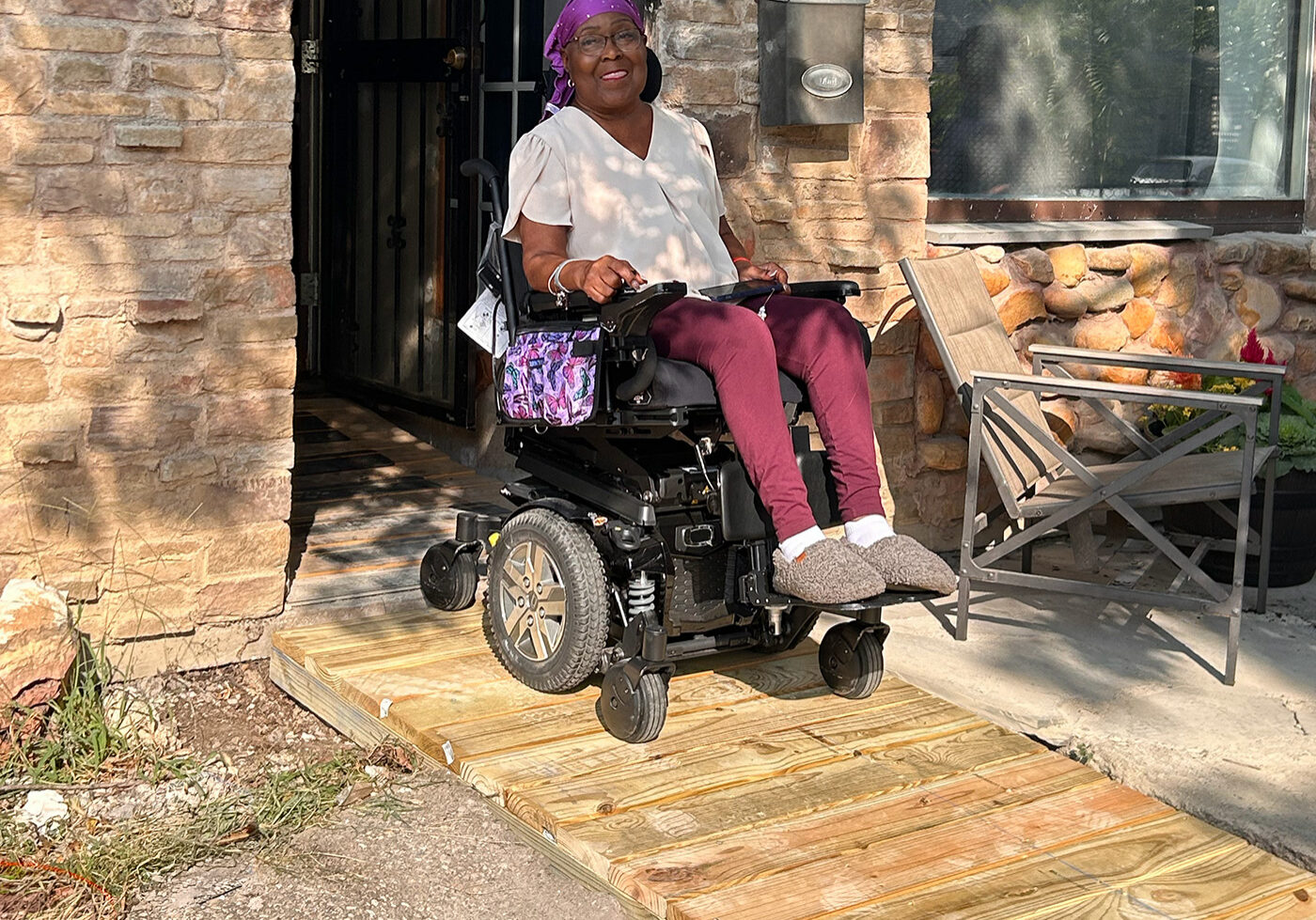
For someone who uses a wheelchair or walker, steps can become difficult or impossible to navigate. Ramps can provide an accessible route at an entrance or help someone move between different floor levels inside the home. Their placement and design should account for the person’s mobility device and the available space.
Make your home work for you
The best modifications fit the person who lives there. Consider what would make daily routines easier now and what might help as needs change. Planning ahead gives you time to explore your options and find support.
CICOA’s Safe at Home program offers home safety assessments and accessibility modifications, with assistance depending on eligibility and available funding.
Find out if CICOA can make home safer for you or a loved one by visiting our Safe at Home page.

More News & Stories
6 Home Modifications That Can Support Independence Longer

What the Age Wave Means for Indiana Families