Written by
At 16, Matthew Walzer was thinking about the great future ahead of him, the possibilities of the next phase of his life. However, one barrier stood in his way that would make living independently at college difficult: He couldn’t tie his own shoes. So he got to work to change that.
Matthew, now 26 and working as a digital strategist for Cause Inspired Media, was born two months prematurely and developed cerebral palsy due to under-developed lungs and lack of oxygen. His condition is characterized by tight muscle tone, which affects walking, balance and fine motor skills. He is also legally blind in his left eye.
As a young child, he spent time in physical therapy, occupational therapy, aqua therapy and horseback riding therapy.
“My parents pretty much stopped at nothing to make sure I had the best quality of life possible,” he said. “It was their mission to make sure that I had every opportunity to be as independent as I could.”
When he was four years old, they traveled to St. Louis Children’s Hospital for a life-changing surgery, which allows him greater mobility to this day.
A desire for independence sparks the design for a hands-free shoe
“My dream was to go away to college and be as independent as I could. How could I go away and live on my own if I can’t tie my shoes?” he wondered.
Knowing that many with physical disabilities struggle to put on and tie shoes by themselves, Matthew wrote a letter to Nike asking them for accessible shoes. It didn’t take long for his idea to go viral and catch the attention of Nike leadership.
Calling from the Olympics in London, they said they loved his passion for advocacy and wanted to help. They connected him with Tobie Hatfield, a renowned designer at Nike. Tobie and his team worked with Matthew to develop prototypes of accessible sneakers, what would ultimately become the Nike FlyEase brand.
Less than three months after the #NikeLetter went viral, Matthew Walzer, at 17, put on his own shoes for the first time in his life.
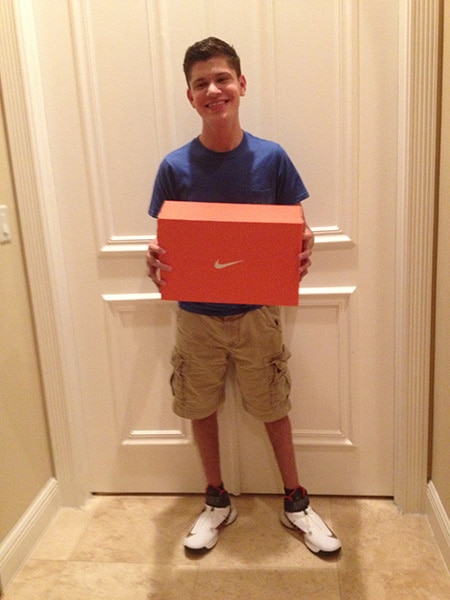
“It was a moment that I’ll truly never forget. Finally, I had that freedom,” he said.
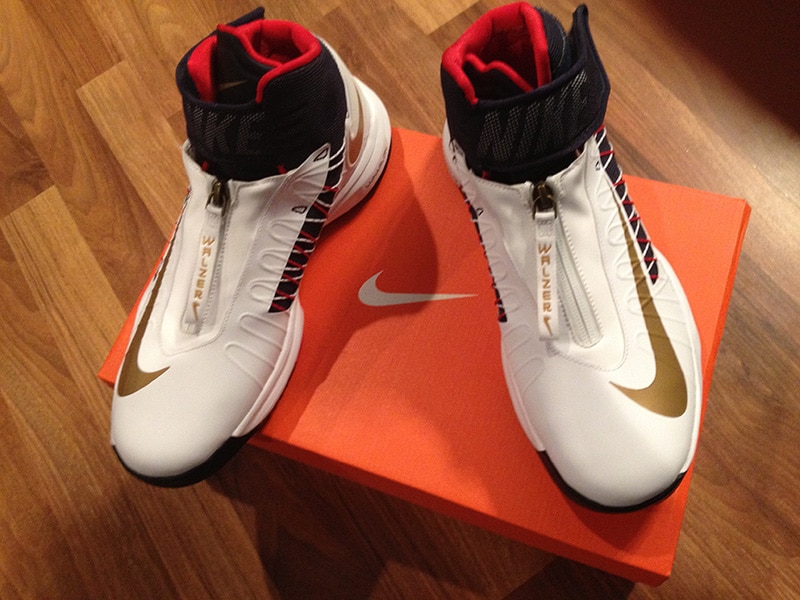
But Nike wasn’t done. Matthew explained that cerebral palsy prevents his foot from flexing. The next prototype was a rear-entry shoe that allows a person to simply slide their foot forward into the shoe, rather than having to flex the foot to insert it. Matthew continued working with the team at Nike for three years.
In 2015, the Lebron Zoom Soldier 8 FlyEase came to market, enabling a new wave of independence for people with disabilities and many others who also struggle to put on and tie their own shoes. In 2021, Nike released a new version, called GO FlyEase, a completely hands-free sneaker.
To advocate for the disability community and have the opportunity to collaborate with Nike was an opportunity that Matthew savors.
“It’s amazing how it’s grown since 2015 and how many people’s lives have been impacted by a pair of shoes,” he said. “That to me, more than anything, is what matters the most.”
A voice for equity and inclusion
“That one letter has brought about so much change.”
Accessibility and universal design innovation often starts with voices from within the disability community. One idea or conversation can snowball into endless possibilities that change lives for the better.
“People forget that disability fits under any minority group,” said Matthew. “We’re overlooked in a lot of ways. We don’t just need equality; we need equity.”
Matthew wishes more institutions would look at the whole person and their individual needs when it comes to accommodations for people with disabilities.
“We need to make sure that people who are making these decisions for us have experience working with people with disabilities or have a disability themselves, not just making sure that the boxes are checked.”
CICOA is working to elevate the voices of people with disabilities and other minority groups as we work to create a community where all flourish. Get involved and join us in our mission to make Central Indiana a place where older adults and people with disabilities can live with independence, dignity and quality of life.
March 25 is National Cerebral Palsy Awareness Day each year. Wear green and use #GoGreen4CP on social media to advocate for the 1 million Americans impacted by this condition.

More News & Stories

Know CICOA Before You Need Us

Kittle Property Family Foundation Invests $50,000 to Support Older Adults and Caregivers Across Central Indiana