

Written by
Many people in the United States eventually will find themselves in the role of caregiver. While some are thrust into the role in a crisis situation, others—sometimes without realizing it—slowly assume the role over time. Either way, the many transitions, decisions, tasks and challenges to navigate can make even the thought of caregiving seem overwhelming.
That’s true when the caregiver and the care recipient live in close proximity. Managing caregiving activities from a distance—especially without good information or assistance—can amplify the effort dramatically! For this reason, CareAware is participating in Home for the Holidays, an annual public education campaign led by the Eldercare Locator, the National Association of Area Agencies on Aging, the U.S. Administration for Community Living, and the National Alliance for Caregiving. This year’s campaign theme is Caring Across the Miles: Resources for Long-Distance Caregivers.
According to Patrice Earnest, director of the Eldercare Locator in Washington, D.C., many caregivers are surprised to learn that “long-distance” doesn’t necessarily mean that you and your loved one are separated by many miles. In fact, if you drive a minimum of one hour to see your loved one (in our area during rush hour, that’s barely a trip to the other side of the city!) you are considered a long-distance caregiver.
Why is this important to know? There may be many serious reasons to consider, such as:
- Caregivers who travel an hour or more each way are likely giving up something else they think they could (or should) be doing. A caregiver’s sleep, healthcare, relationships, job productivity and more may suffer when this type of travel is required, resulting in negative secondary effects.
- Caregivers who live in another area of the country may not know what services exist in their loved one’s locale or how to find them. They might not be aware that Medicaid is not the same in all states, and it is not transferrable, so it must be applied for again if the loved one moves out of state. Sometimes learning where to find information can be as challenging as actually using the information, once found.
- Sources report that long-distance caregivers have the highest annual expenses for caregiving compared with other caregivers. These expenses undoubtedly include the cost of the travel itself (e.g. gas, airfare), but also may include lost days on the job, which—depending on one’s career or other factors—can translate to lost wages. The combination of increased expenses and reduced income are hardly a good combination, producing additional stress and higher anxiety in even the most dedicated caregivers.
In consideration of the challenges specific to long-distance caregivers, CareAware is committed to supporting ALL caregivers with tips, tools and resources. Regardless of where you are geographically in relationship to your care recipient, understand that we are here to supply the information you need. Give us a call at (317) 803-6131, or email us at caregivers@cicoa.org.

More News & Stories
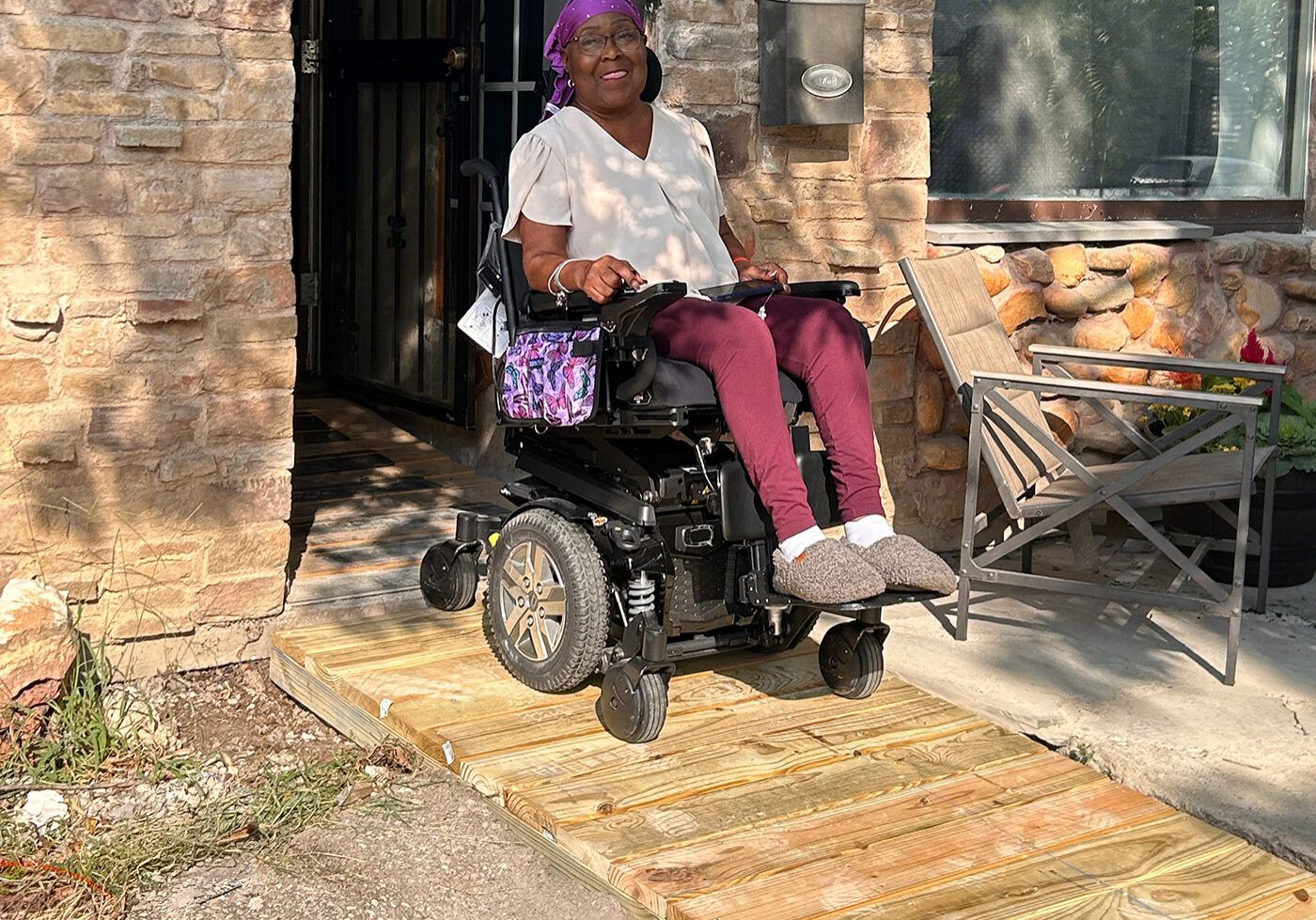
6 Home Modifications That Can Support Independence Longer

What the Age Wave Means for Indiana Families